



The New Court of Culture: Luxury in the Age of Intimacy


On a windy Sunday evening in the heart of New Delhi, we were welcomed with lush gajras surrounding our wrists as the air loomed with the heavy, amber notes of ittar. We walked toward the ever-enchanting mehfil led forth by none other than Rekha Bhardwaj. She is a bonafide priestess of the rooh, an artist whose voice carries the dust of the dervish and the velvet of the moon. To witness her is not merely to hear a melody; it is to watch a master weaver spin threads of shayari and longing into a tapestry that wraps around the room, binding every stranger in a shared, breathless ache.
This is not a concert. This is IBTIDA - Ek Mehfil, a new beginning for the ancient soul.

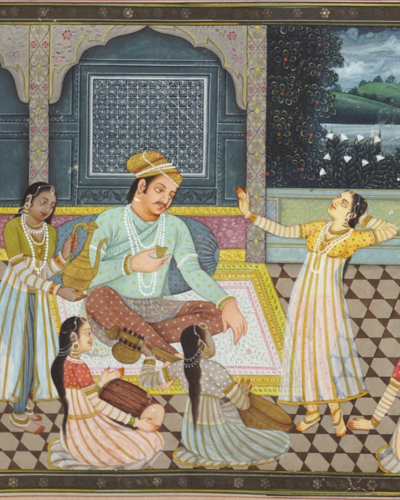
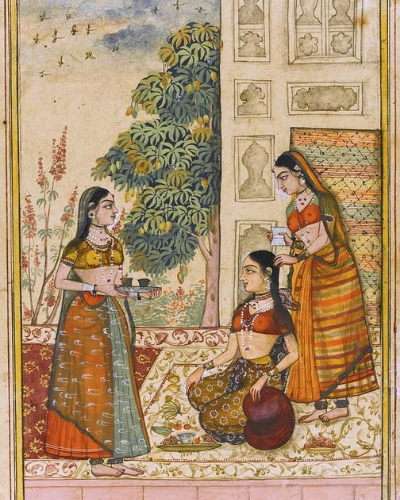
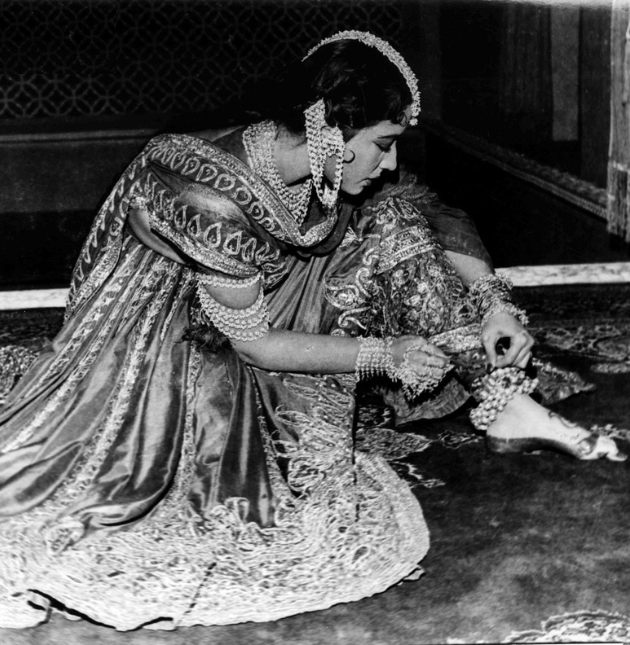
In an era of stadium tours and digital detachment, a quiet revolution is simmering in the living rooms and heritage courtyards of India. The mehfil, once the crown jewel of princely courts, is being reclaimed. Spearheaded by founders Tanvi Singh Bhatia and Anubhav Jain, IBTIDA - Ek Mehfil is redefining how modern India consumes culture. It is no longer about being a spectator; it is about becoming a participant in a living, breathing court of appreciation.
The Architecture of Belonging
For Tanvi, the genesis of this movement was a return to the gharana of her own memories. Growing up in a household where baithaks were the pulse of daily life, she felt the coldness of the modern stage.
"I wanted to move away from the grandeur of attending a performance and toward living through it," Tanvi reflects. "The core was proximity. How do you look through the artist and move away from big screens and fireworks? At IBTIDA - Ek Mehfil, it is a homecoming with depth."
In these intimate settings, the music ceases to be a product. It becomes a shared breath. The proximity ensures that when an artist sighs, the audience feels the weight of it.
The Discipline of the Soul
While the evening feels like a spontaneous overflow of nazaakat, the backbone of IBTIDA - Ek Mehfil is one of rigorous precision. Anubhav, drawing from his background in advertising, treats the experience with the discipline of a grand production.
"Intimacy without structure is just a nice evening," Anubhav notes. "Structure is what makes it repeatable across cities and across audiences who have never met but walk into the same feeling every time."
Inspired by the technical rigor of the Opera and the immersive nature of Theatre, the team obsessively maps out every touchpoint. From the floor seating where no one is "further" from the artist to the specific lighting that mimics a flickering flame, the intimacy is built into the very architecture. The soul stays intact because the framework is indestructible.
A Living Language
There is a delicate balance in keeping heritage from becoming a museum piece. IBTIDA - Ek Mehfil avoids the trap of stagnant nostalgia by making the India Story fashionable again.
"We wanted to celebrate the past with its glory but not keep it redundant," Tanvi explains.
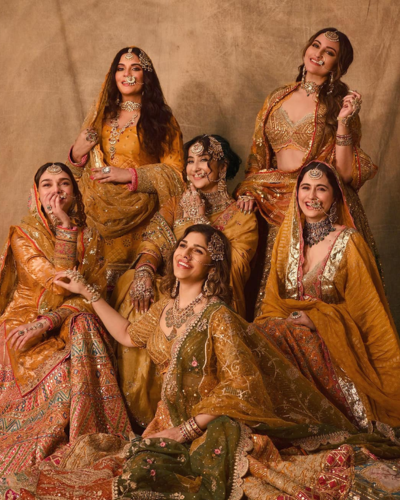
By blending heritage with a modern aesthetic, they have transformed cultural appreciation into a movement that resonates with the contemporary seeker. It is a new avatar of tradition, one that feels as relevant in a minimalist penthouse as it does in a colonial bungalow.
QISSA: The Story Within the Room
As IBTIDA evolves, the focus shifts toward the Archival Series: QISSA. This format leans into India’s oldest tradition of oral storytelling. In a world of fleeting digital clips, QISSA demands a radical, physical presence.
"Conventional performance establishes a clear boundary. QISSA removes that line entirely," the founders share. "The narrator does not perform at the audience; they transport them. You transition from being an audience member to a participant."
In these small rooms, the air is thick with the unspoken. The lack of distance allows for a vulnerability that would be lost in a hall of thousands.
The Ecosystem of the Senses
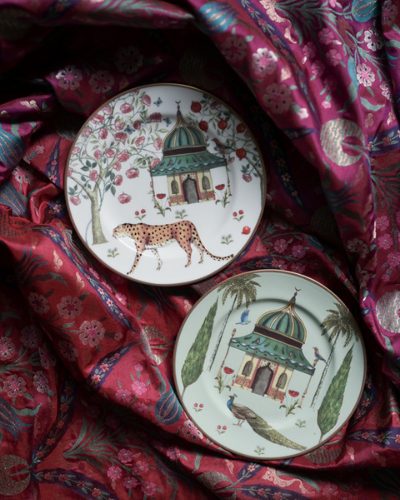
To attend an IBTIDA evening is to engage in a sensory symphony. It is an amalgamation of music, the culinary arts, and the tactile beauty of Indian textiles. This is the IBTIDA Tree, an ecosystem designed to support the artisans and musicians who are the true custodians of our craft.
"An IBTIDA - Ek Mehfil patron doesn’t come for the artist alone," the founders emphasize. "They come for the elements that take them back."
As the last notes of Rekha Bhardwaj’s voice faded into the Delhi night, it became clear that this is the new Court of Culture. It is a space where the elite and the enthusiast sit on the same floor, breathing the same ittar, reminded that in the heart of the modern age, there is still nothing as luxurious as a story told up close.