



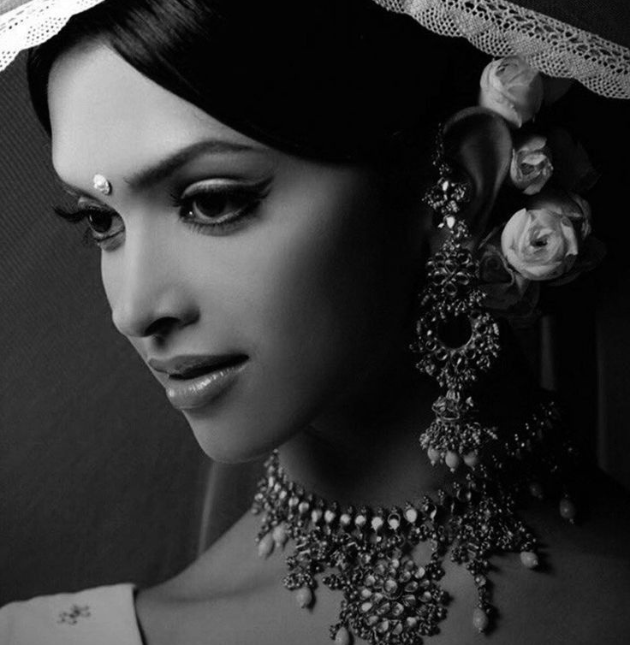
Cinema of Kohled Veils & Verity


In the high-octane world of luxury, we often obsess over the tangible; the drape of a hand-woven silk, the specific gravity of a rare emerald, or the silent hum of a bespoke engine. But in the cathedral of Hindi Cinema, the ultimate luxury has always been free, fleeting, and frighteningly potent: the gaze.
For decades, the Indian screen hasn't just filmed stories; it has conducted a masterclass in the semiotics of the naina. It is an enduring love affair where the nazar acts as a shutter, capturing truths that the script is too shy to speak.
The Quintessential Tease
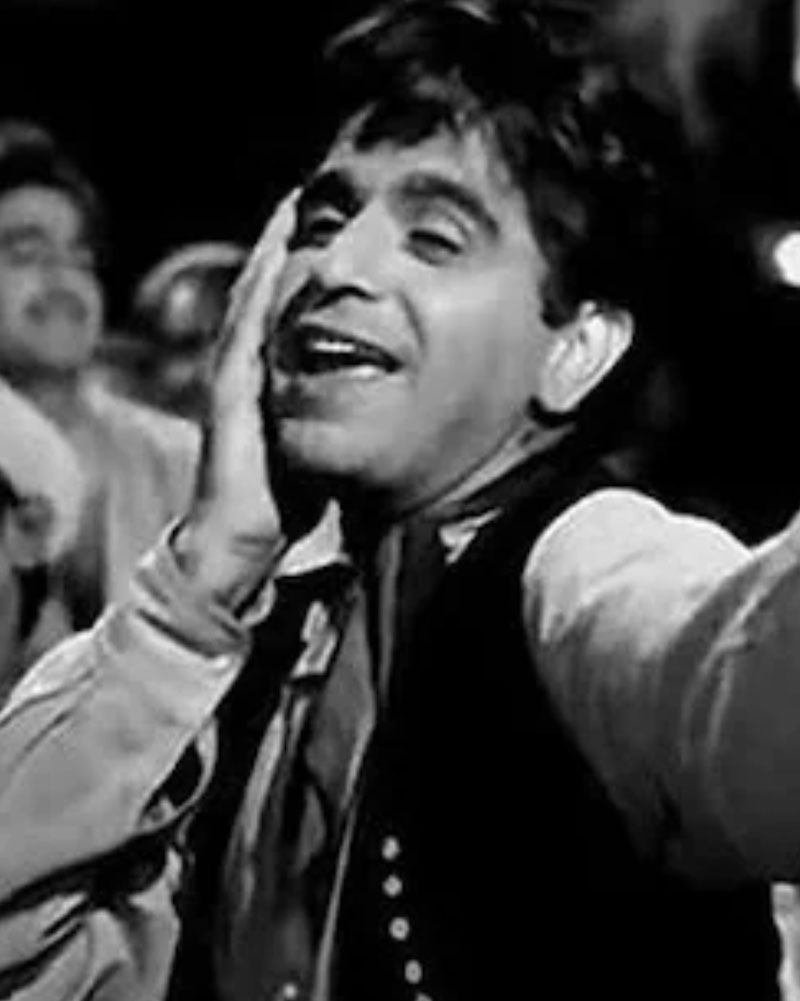
Long before the era of high-definition digital sensors, the lens fell in love with the rhythmic flutter of lashes. There is a specific kind of power in the playful lochan; one that negotiates desire without ever crossing the line into the mundane.
Consider the mid-century era, where the eyes were used as instruments of flirtation, a delicate dance of "now you see me, now you don’t."
- "Udein jab jab zulfein teri, kawariyon ka dil machle..."
(When your locks fly, the hearts of the maidens stir...)
Even when the lyrics focus on the hair, the camera lingers on the mischief in the orbits. It’s a sensory wealth that no diamond could replicate; the sparkle of a secret shared between the protagonist and the audience.
The Gilded Truth: When the Tongue Fails
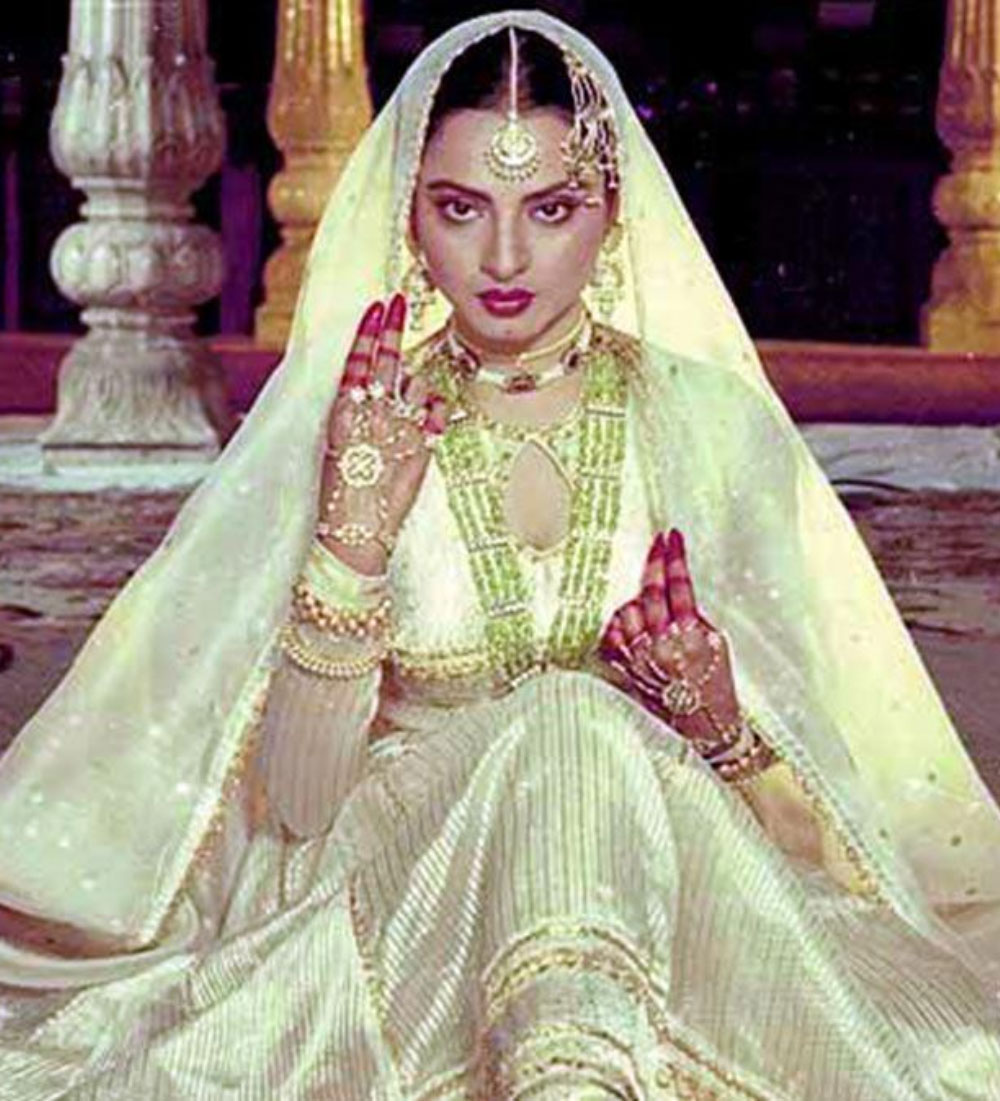
In the grammar of Bollywood, the mouth may lie, the hands may tremble, but the netra are the only honest witnesses. We see this most vibrantly in the "Kohl-rimmed" era, where the eyes weren't just features; they were reservoirs of unspoken history.
- "Aaj ibaadat rubaru ho gayi,
Jo maangi thi uss dua se guftagu ho gayi."
(Today, my worship has come face-to-face with its truth; because of that singular gaze I prayed for, I am finally in conversation with my own prayers...)
There is a profound luxury in being understood without a single syllable. This is the currency of the soul, spent lavishly in songs that treat the chashm as a destination.
Power and the Predatory Grace
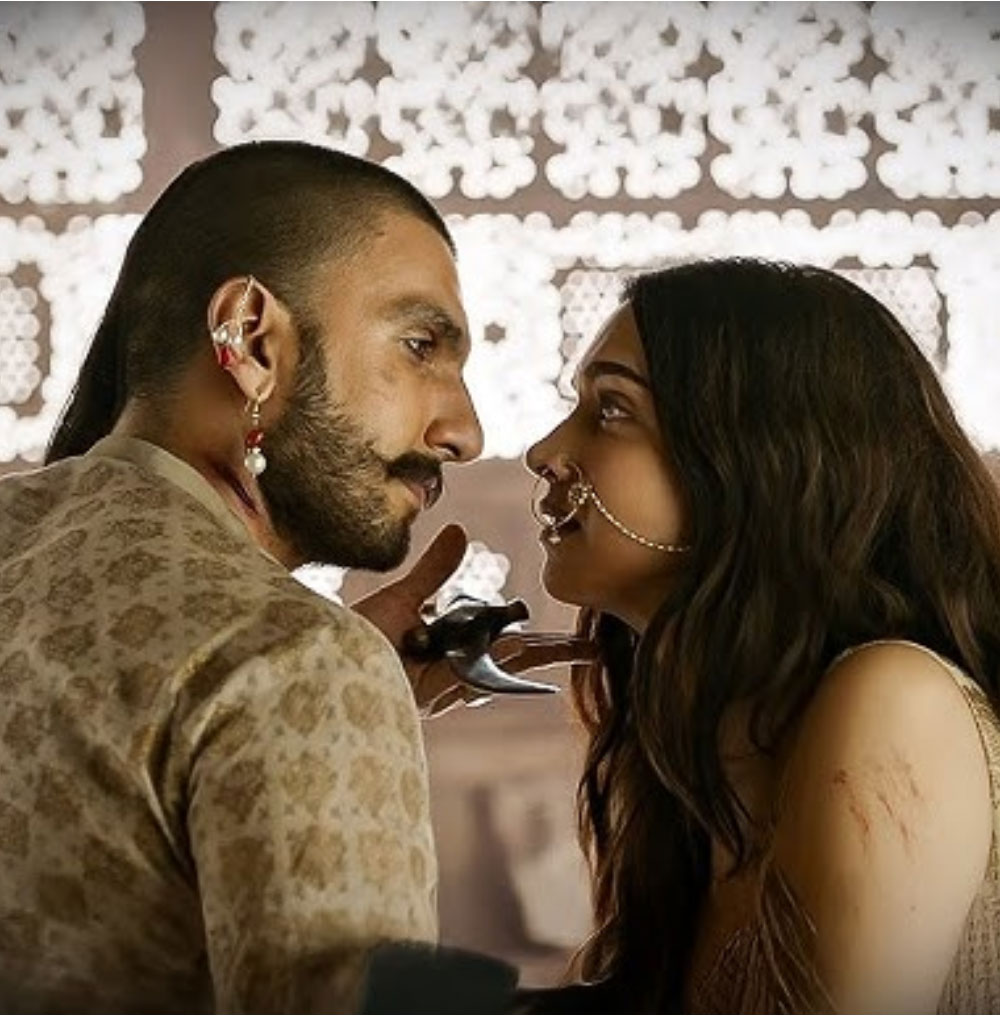
To speak of the naina only in terms of romance would be a disservice to its versatility. In the cinematic landscape, the gaze is also a scepter. It is the "Nigah"—a look so piercing it can command an army or dismantle a villain’s ego.
- "In aankhon ki masti ke mastaane hazaaron hain,
afsaane hazaaron hain,"
"Is shahar se waabasta deewaane hazaaron hain."
(Of the intoxication held within these eyes,
There are thousands of drunkards and thousands of legends told;
In this city, there are thousands of souls whose very existence is tethered to this one gaze...)
When a heroine fixes her stare through a veil of smoke or a cascade of rain, she isn't just looking; she is asserting her sovereignty. It is the ultimate "quiet luxury," the ability to control a room with a single, unblinking netra.
The Modern Masterpiece: A Symphony of the Stare
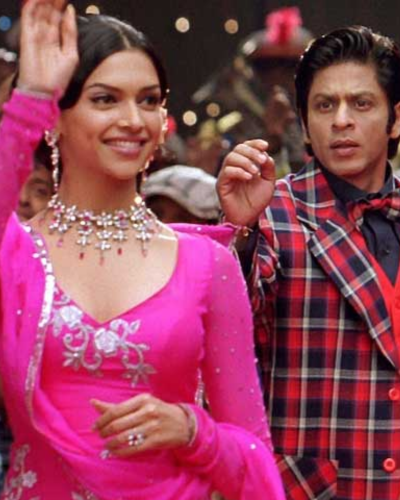
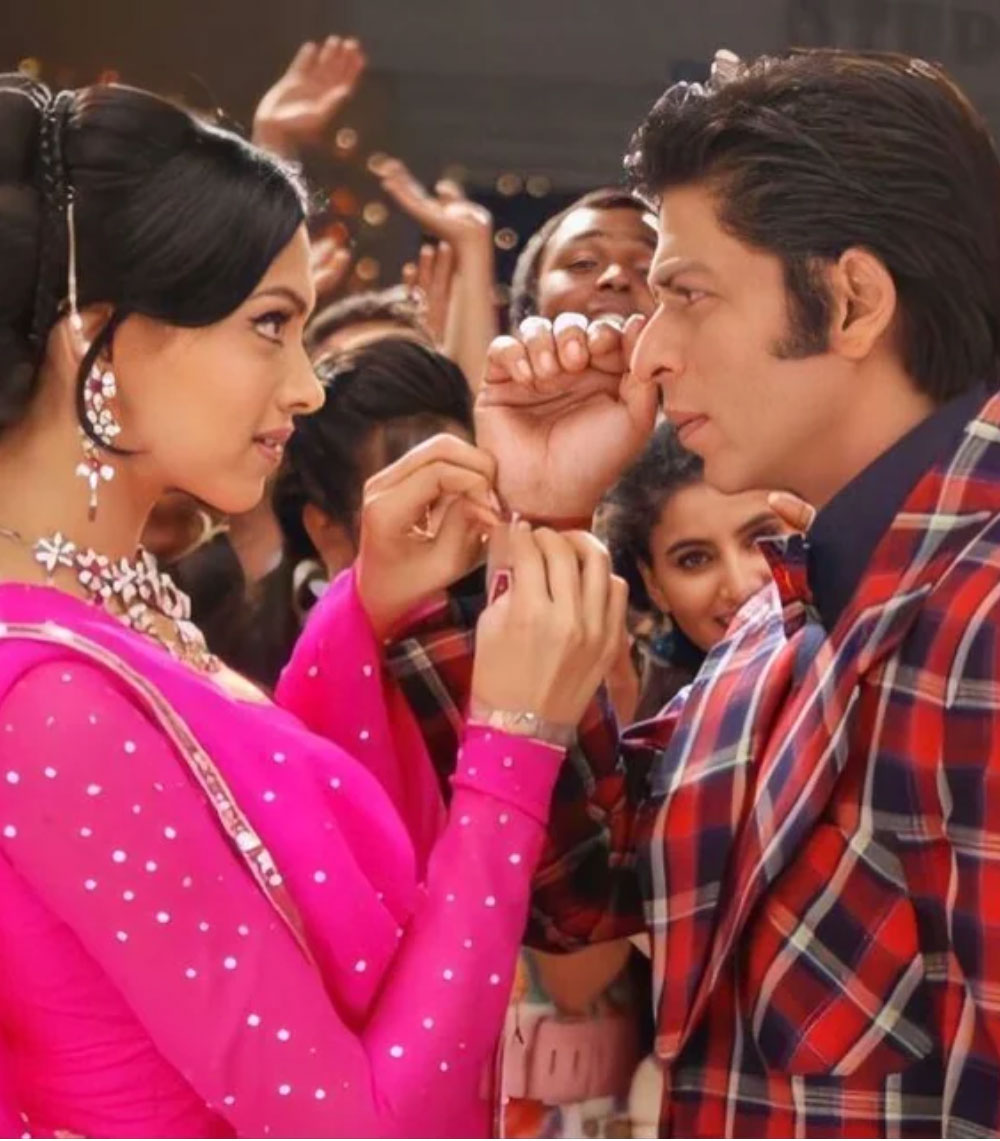
As we moved into the grand, operatic canvas of the 21st century, this obsession with the nazar found its most luminous tribute in Om Shanti Om. Here, the eye is not just a feature; it is an atmosphere. When the screen freezes on the introduction of a superstar, it is her drishti that commands the air.
- "Aankhon mein teri, ajab si, ajab si adaayein hain..."
(In your eyes, there are wondrous, wondrous graces...)
In this moment, the song acknowledges that the chashm is a living gallery. The "adaayein" (graces) aren't in the movement of the body, but in the liquid geometry of the iris. It is a modern luxury; the ability to stop time with a glance that feels like a thousand whispered poems.
The Final Frame
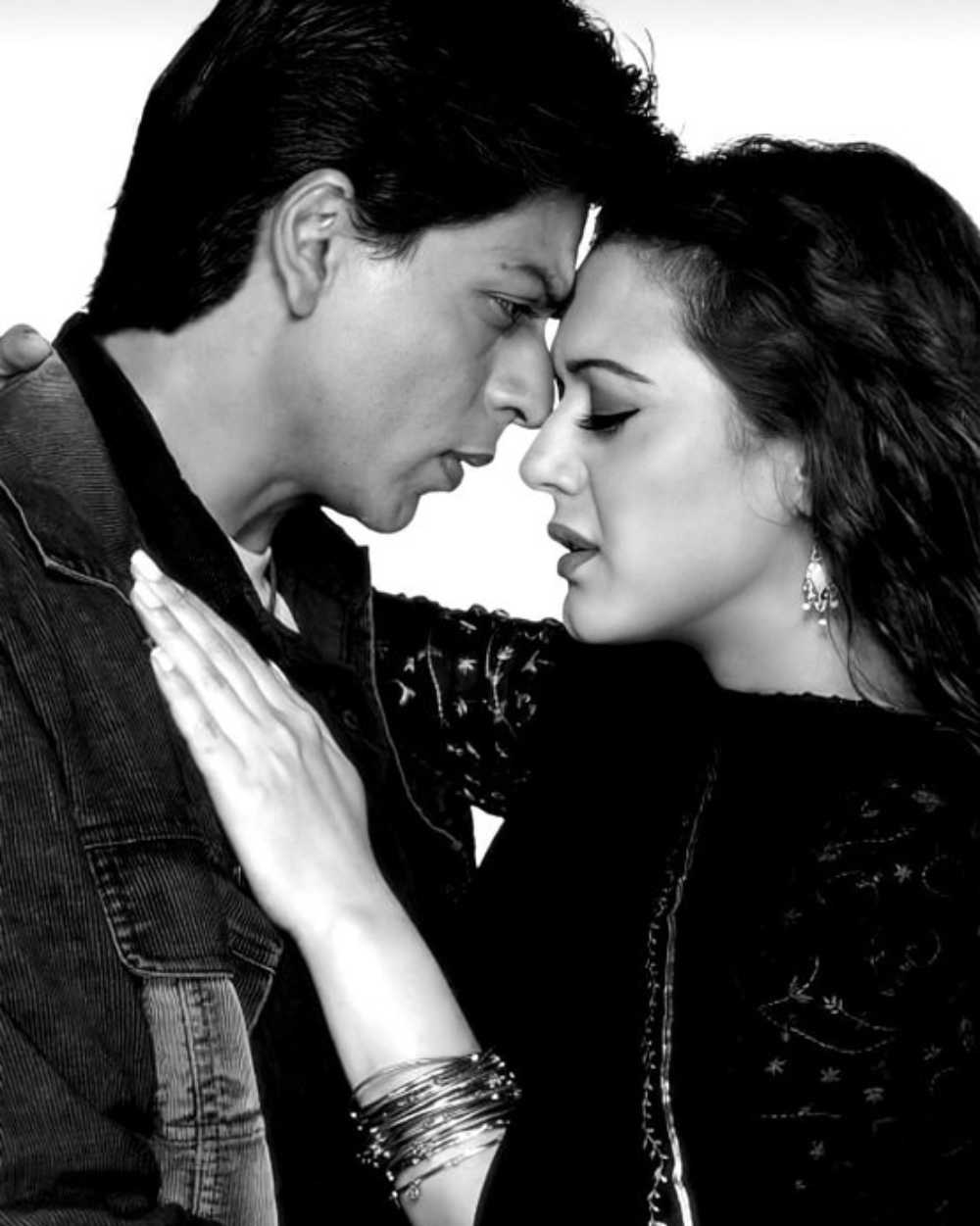
As we move further into an age of artificial perfection and filtered realities, there is something deeply grounding about the way Hindi cinema worships the nazar. It reminds us that the most exquisite thing we can offer another human being isn't a gift wrapped in ribbon, but the courage to look—and be looked at—until the truth spills over.
- "Do pal ki thi, yeh dilon ki dastaan,"
"Aur phir chal diye, tum kahan, hum kahan."
(Our hearts’ legend lasted but a fleeting moment; and then,
the paths diverged; you to your distant horizon, and I to mine.)
In the end, the most beautiful "accessory" featured in a century of film isn't a Maharani’s necklace. It is the shimmer of a tear or the flare of an iris that says, “I see you, and finally, I am seen.”